Hatha or hot, vinyasa or yin: which yoga practice is best for you?
Through pranayama, practitioners can cultivate a balanced and focused mind, enhance oxygen intake, and regulate their overall energy levels. Different pranayama techniques are utilized in Hatha Yoga, such as deep belly breathing, alternate nostril breathing, and breath retention. Breathwork plays a crucial role in Yin Yoga, where practitioners are encouraged to focus on slow, deep breathing. Deep belly breathing stimulates the parasympathetic nervous system, promoting relaxation and reducing stress levels.
- Its active poses and movements can make you feel alert and ready to start your morning.
- The key is not to find the “best” yoga style, but the one that resonates with you right now.
- During the posture holds, attention is given to breathing and releasing tension in the body.
- With extended hold times, it encourages a deeper release of both physical and emotional tension.
- Today, when most people think about yoga, they generally picture a person stretching and holding poses – what we recognize as Hatha yoga.
- Strength-focused goals may require additional resistance work.
He is developing a clinical practice for patients with complex trauma, as well as for others going through significant life transitions. Breathing in yoga typically emphasizes diaphragmatic (belly) breathing, which stimulates parasympathetic nervous system activity and supports relaxation. I recently got certified to teach Mat Pilates and have been loving adding these classes in to Yoga with Kassandra. I’ve been focusing on sharing short sequences targeting different areas of the body, and recently shared a 10 minute core focused Pilates class. Just listen to your body and notice what you’re craving; some energy or rest?
Yin Yoga vs Hatha: Unveiling the Differences and Benefits
The practice can be adapted to accommodate different body types, limitations, and abilities. Yin Yoga poses can be modified by using props such as bolsters, blankets, and blocks to reviews for unimeal provide support and enhance comfort. The gentle and passive nature of Yin Yoga makes it an ideal choice for those seeking a slower-paced practice, recovering from injuries, or dealing with chronic pain or stiffness.
Side-by-Side Comparison: Key Differences at a Glance
Our welcoming environment ensures everyone can enjoy the many benefits of yoga. Yin Yoga is more gentle and calming, making it a good choice for the evening when you want to relax and let go of stress. Remember, yoga is all about balance – literally and figuratively! We are here to support you through your journey to achieve harmony and wellness through yoga. When exploring what is Hatha vs. Yin yoga, it’s essential to consider the foundational principles of each.
What’s The Core Difference Between Pilates And Yoga?
When you do Yin Yoga, your muscles are stretched to the maximum for an extended period of time which helps them create new fibers and increase circulation throughout the body. The lavender essential oil can help improve blood flow as well as reduce stress levels by calming the mind and reducing anxiety or depression symptoms. This yoga type aims to balance these forces, supporting peace in both body and mind. Classes usually consist of physical postures and controlled breathing techniques.
Common Mistakes & Myths About Pilates And Yoga
This is how I started my yoga journey – by watching and copying. When you think you’ve settled on a style of yoga you enjoy, try a few different teachers. All teachers have their own unique focus based on their personalities, their own yoga practice and where and with whom they’ve trained. Hatha Yoga is one of the oldest and most popular forms of yoga.
Main Differences Between Hatha And Yin Yoga
It’s especially valuable for those seeking increased flexibility, nervous system regulation, or a quiet space for introspection. Vinyasa Yoga is ideal for students who enjoy variety, dynamic movement, and an inward focus on breath. It sits somewhere between the structured intensity of Ashtanga and the meditative pace of Hatha, making it accessible yet energetically engaging. The word Vinyasa comes from the Sanskrit nyasa (to place) and vi (in a special way), suggesting an intentional placement of movement and breath.
It releases stress buried deep in the fascia and lengthens it, improving flexibility and overall mobility. Yin yoga works deeply into our bodies with passive, longer-held poses. It targets the body’s deepest tissues, our connective tissues – ligaments, joints, bones, the deep fascia networks of the body and the meridians. This is in contrast to a Yang yoga practice, such as Vinyasa yoga which targets the muscles. Unlike Bikram, Ashtanga, and Kundalini Yoga, Yin Yoga is not focused on achieving a meditative state. It’s distinct because it uses physical activity to strengthen the link between your body and mind.
For many people, the answer isn’t “either/or.” Hatha and Yin complement each other beautifully. Practicing both gives you the balance of gentle strength and deep release, effort and surrender, movement and stillness. She explains that the gentle, sustained stretches in Yin Yoga create space for gradual release of deeply held physical and emotional tension. Yin Yoga helps practitioners cultivate a sense of safety and presence within their bodies, which is essential for healing and trauma recovery.
Warrior Pose (Virabhadrasana I, Ii And Iii)
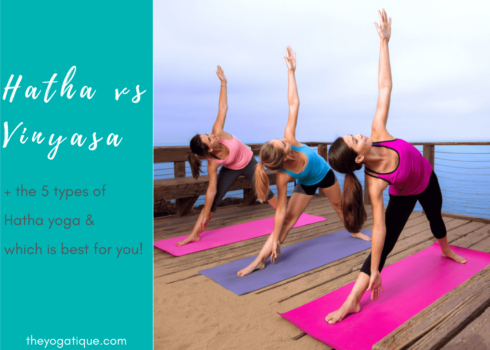
Hatha yoga is generally an easy practice for beginners to get into because it is done at a slower pace. Similar to a traditional workout, vinyasa yoga is a great way to improve your strength, muscle tone, and endurance. So when it comes to Hatha yoga or Vinyasa yoga, what really matters is the listening! This is the first step in meditation – focus and concentration – and if this is not a meditation, it is not a yoga practice.
How to Choose Between Hatha and Vinyasa Yoga
One variation is New York’s Y7 Yoga, which pairs energetic flow sequences with heart-thumping hip-hop music. Balancing adds an extra challenge, and you might wind up in the water. Some styles probably aren’t going to make it into your regular rotation. But who knows, getting into downward dog with a goat balancing atop your back might be a charming way to enhance your practice. Hatha yoga places special emphasis on controlled breathing and posture. Building core strength, which is key to good posture, is another important aspect of this type of yoga.
Choose Vinyasa Yoga if you:
Expect a good workout; you’ll challenge yourself and get sweaty. In a heated class, a teacher will probably remind students that, if they start to feel lightheaded, they always have the option to lie down on the mat. People with conditions including cardiovascular disease, back pain, asthma, diabetes, low blood pressure or pregnancy should consult with a doctor before trying this practice. Founded in 1984 by David Life and Sharon Gannon, Jivamukti means «liberation while living». This is a vinyasa-style practice with themed classes, often including chanting, music and scripture readings. Jivamukti teachers encourage students to apply yogic philosophy to their daily life.
Vinyasa Yoga Asanas for Strength and Flexibility
Vinyasa yoga can help you find better balance and stability, both on and off the mat. Mindfulness is a main principle of vinyasa, which will help you move between yoga poses more smoothly. Because vinyasa yoga keeps you moving steadily, this heart-pumping session may be a good addition to your cardio routine. Studies show that because of the fast-paced style of vinyasa, it acts as a light aerobic exercise. Hatha yoga poses also focus on lengthening the muscles and improving the range of motion in the joints. Practicing these poses in a flowing sequence enhances both physical and mental resilience, making Vinyasa Yoga a powerful practice for overall well-being.
This methodical, intelligent approach makes Iyengar an excellent option for beginners who want clear instruction, as well as experienced practitioners aiming to refine their practice. It’s a yoga style where consistency and attention yield lasting results. Among the various yoga types, Iyengar Yoga is a precise, alignment-based style developed by B.K.S. Iyengar, one of the most influential yoga teachers of the 20th century. Kundalini practitioners often report profound emotional shifts, heightened awareness, and a deep sense of calm and clarity following a session. While Kundalini Yoga can be physically demanding, it is suitable for practitioners of all levels who are ready to explore a deeper spiritual practice.