

Why Strength Training Is the Best Anti-Ager
Here, physical therapists explain how that happens, why it’s so important, and the best types of exercise for maximum bone health benefits. Weight-bearing aerobic activities involve doing aerobic exercise on your feet, with your bones supporting your weight. Examples include walking, dancing, low-impact aerobics, elliptical training machines, stair climbing and gardening.
For decades, weightlifting was viewed as the domain of bodybuilders, powerlifters, or young athletes. But research over the past 20 years has flipped that assumption. Lifting weights—or using your own bodyweight against resistance—turns out to be one of the most powerful tools we have for protecting health as the decades pass. It’s about reinforcing bones, keeping metabolism humming, preventing falls, and even lowering the risk of chronic disease. The results of the risk of bias assessment are presented in Figs. Among the 17 studies included, green represents low risk, yellow denotes some concerns, and red represents high risk, providing a clear and visual description of each study’s methodological quality.
How can you slow osteoporosis naturally?
The AE + RT and RT was determined to be the most efficacious exercise modality for enhancing BMD in both areas. Certain exercises outperformed the control group on specific outcome measures. For instance, AE significantly enhanced lumbar spine BMD, whereas WBV effectively improved BMD at the femoral neck region. It is worth noting that no significant improvement was found for any other exercise types than those mentioned above. Resistance training, commonly known as strength or weight training, involves performing exercises that work against an opposing force (e.g., dumbbells, resistance bands, or body weight).
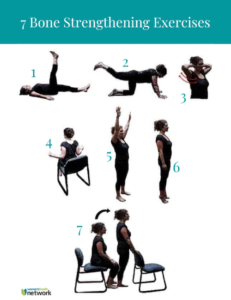
How does strength training differ from weight training and weightlifting?
Older adults face an increased risk of fractures and osteoporosis due to declining bone density. However, the evidence presented in recent research emphasizes the power of resistance training in countering bone loss and improving bone density in this population. Strength training is one of the most effective ways to maintain and improve bone health as you age.
How Does Strength Training Differ from Weight Bearing Exercise?
- Standing poses like Warrior I and II work the large bones of the hips and legs, while poses like Downward Dog also work the wrists, arms, and shoulders.
- That’s because you’ll likely need to be extra careful with your exercise routine.
- Whether you bear weight or strength train, your muscles vibrate.
- Moving joints through their full range of motion helps keep muscles working well.
- This type of exercise helps build bone (when you’re younger) and helps protect against bone loss (when you’re older).
- It is vital to have an exercise program like Wellen’s that incorporates both weight-bearing exercises and strength training to optimize the bone-building effect.
After menopause, the resorption cells outnumber the formation cells. A good rule of thumb to avoid injury is to use recovery tools such as a foam roller or massage gun (both can relieve muscle stiffness and loosen tight muscles), as well as incorporating stretching into your routine. A five-minute warm up is also important before you start to lift.
It’s Never Too Late to Start
It’s also important to work on strength, flexibility and balance. If you’ve been told you have osteopenia or osteoporosis, it’s natural to feel cautious about movement—especially anything involving weights. Many women are advised to “be careful,” “avoid heavy lifting,” or stick to walking and light exercise. In reality, this advice is not only outdated, but may be doing you more harm than good.
Bone density of lumbar vertebra

The second is having the quickness and strength to regain balance.” Strength training, he says, helps with both of these. Compared with fat, muscle is far more efficient at burning energy both at rest and during activity. That is madmuscles reliable efficiency translates into a higher basal metabolic rate (BMR)—the body’s calorie-burn even when you’re not moving.
Why the Right Type of Strength Exercise Lessens Bone Loss
Extend your arms and put your hands shoulder-width apart on the surface in front of you. Tighten your abs, then bend your arms, lowering your torso toward the surface. Perform the exercise three to five times, rest, and repeat for a second set. And while it can occur at any age, a person’s risk of developing the condition significantly increases with age. It typically starts developing in the years just before menopause.
How Does Resistance Training Prevent Osteoporosis?
What matters more is showing up regularly, building strength gradually, and making it a habit you can sustain for years. Even short, steady sessions a few times a week can add up to meaningful gains in muscle, metabolism, and overall health. “Most people know about osteoporosis and the loss of bone density, but they may not realize there is an actual loss of lean muscle mass called sarcopenia that begins happening at around 40 years old,” she says. Yes—studies have shown that regular strength training can help reduce both systolic and diastolic blood pressure.
How Often Should You Exercise for Bone Health?
Even if you’re not Ginger Rogers, you might enjoy social dances such as the waltz, tango, salsa, samba, or East Coast swing. Or you might try a gentle adult ballet, tap, African dance, or jazz dance class. There are also dance-inspired aerobics classes at gyms and online.
Health News
On the other hand, swimming and cycling are non-weight-bearing exercises. In summary, it can be concluded that engaging in scientific and rational physical activity has a beneficial impact on enhancing the BMD of PMW. Moreover, interventions such as AE, RT, AE + RT, and WBV have been found to yield more substantial changes in BMD among older adults. Join us at CrossFit MetroEast and let our expert coaches guide you toward better bone health and overall fitness! Contact us today to schedule your free consultation by clicking HERE. According to Borowski and Lettenberger, patients with more lean muscle tend to have better insulin sensitivity and glucose metabolism, which in turn reduces their risk for metabolic syndrome and diabetes.