

How Your Menstrual Cycle Affects Your Appetite
You feel like snacking at night, and you just can’t seem to stop the food noise, cravings, or weight gain. While progesterone rises, the level of estrogen, which acts as a natural appetite suppressant, begins to drop. This decrease in estrogen means the body loses some of its natural satiety signals, making it harder to feel full. The combination of rising progesterone and falling estrogen creates a hormonal environment that encourages greater food intake.
Does Menopause Cause Weight Gain?
The combined effect of these hormones during different phases of the menstrual cycle can therefore be variable. Our appetites are regulated by a complex interplay of hormones, neurotransmitters, and physiological signals. Hormones like leptin (suppresses appetite) and ghrelin (stimulates appetite) are well-known players, but the sex hormones, estrogen and progesterone, also have significant roles. The interaction of these hormones, and even individual variations in sensitivity to them, can greatly influence whether or not someone experiences appetite changes. The relationship between progesterone and appetite is complex and nuanced. If low progesterone is contributing to insomnia, addressing the hormone imbalance through hormone therapy or lifestyle modifications can improve sleep.
What does progesterone have to do with bloating?
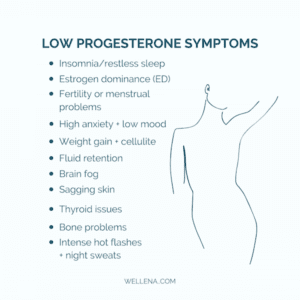
Many factors can contribute to belly fat, including genetics, hormones, age, and lifestyle choices. Appetite changes are a common side effect of progesterone shots and are not always a sign reviews unimeal of a serious problem. Natural progesterone (also called bioidentical progesterone) has the same molecular structure as the progesterone your body produces naturally. Studies suggest that natural progesterone is less likely to cause significant weight gain compared to synthetic alternatives. The relationship between progesterone and weight gain is complex and often misunderstood.
Progesterone and Thyroid Function
Beyond reproduction, progesterone influences mood, sleep, and, as we will explore, appetite. When progesterone and estrogen work together, all these factors balance out to promote healthy, fertile weight regulation. Progesterone can impact metabolism, blood sugar, and insulin levels, potentially influencing appetite and weight.
Low progesterone in pregnancy
Whether you love cardio exercises or simply enjoy a brisk morning walk, physical activity burns calories, which can help you maintain a healthy weight. So, if you are worried about gaining fat when taking progesterone, try making a few small swaps to become more active. Synthetic progesterone is called progestin and is usually prescribed by doctors as a form of birth control or for hormone replacement therapy.

How can I avoid weight gain on progesterone?
Those with PCOS may also suffer from insulin resistance, leading to chronically elevated blood sugar and therefore weight gain. It’s normal to put on a few pounds here and there, or experience bloating during your period. However, fast and unexplained weight gain can signal that something under the surface is off balance, especially when it comes to hormones.
Key progesterone foods for women’s hormonal health
When levels are balanced correctly, both hormones work together to regulate each other’s effects. However, if progesterone levels fall, you may experience estrogen dominance, which can cause your body to store energy as fat. During certain phases of the menstrual cycle, such as the luteal phase, when progesterone levels are higher, some women experience an increase in appetite. This is because progesterone stimulates the activity of ghrelin, a hunger hormone that can trigger cravings and cause you to overeat. Hormonal fluctuations also impact neurotransmitters like serotonin, which regulates mood and appetite.
Factors Influencing Weight Gain in Progesterone Users
- Additionally, staying hydrated, getting enough sleep, and managing stress through relaxation techniques, such as meditation or yoga, can help mitigate any potential weight gain or loss.
- Your metabolic rate is increased by progesterone, which supports metabolic activity.
- This means you burn fewer calories at rest, making weight gain more likely even with the same eating and exercise habits.
- You may also notice yourself craving certain foods or drinks for no apparent reason.
- Progesterone may increase appetite at this time by stimulating the activity of another hormone called ghrelin (1).
- These changes influence energy levels, mood, and hunger signals, which explains why you might feel hungrier or crave specific foods at certain times.
Progesterone is a vital hormone for both men and women that can be beneficial or problematic depending on the circumstances. However, if you notice an increase in cravings during a certain time of the month, try eating more high fiber food, healthy fats and whole grains to help improve your health. Both progesterone and cortisol may be released in response to stress, which can lead to weight gain if you eat more due to an increased appetite (14). Progesterone can help you lose weight if your levels are low to begin with, but it’s more complicated than a cause-and-effect relationship. Progesterone is especially helpful to control weight when estrogen dominance is the issue as the effects of progesterone tone down the influence of estrogen.
What if you’re TTC?
Progesterone is essential for preparing the uterine lining for implantation of a fertilized egg and maintaining a healthy pregnancy. Low progesterone can lead to difficulty conceiving or recurrent miscarriages. It is important to differentiate between physiological hunger driven by progesterone and emotional eating triggered by stress or mood changes. During the luteal phase, hormonal shifts can prompt individuals to consume more food for emotional comfort rather than due to actual hunger. Beyond its reproductive functions, progesterone also affects mood, thermoregulation, sleep, appetite, and body weight.
What to Eat on Your Period
High levels of cortisol, a hormone released when you’re stressed, can be responsible for weight gain. A review of 22 studies found limited evidence to support a change in weight or body composition for those taking progestin. However, in some of these studies, those using hormonal contraceptive methods containing progestin saw a greater increase in body fat. Taking progestin is also thought to cause weight gain, but research suggests that this may not be the case.